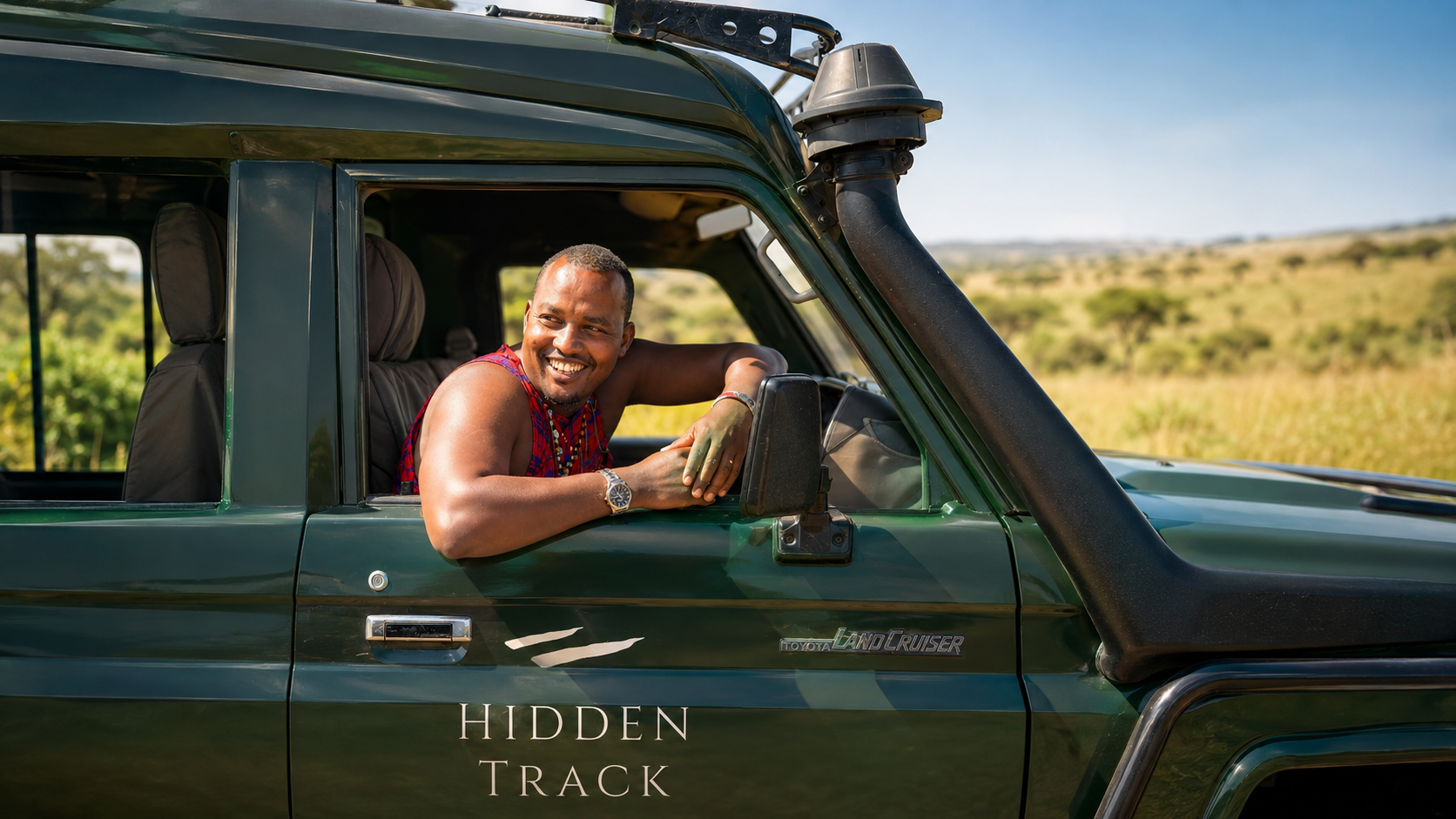
It’s the great East African safari dilemma: Maasai Mara or Serengeti? The happy secret is that you almost can’t go wrong.
These two legendary reserves are really one vast, unbroken ecosystem, straddling the border of Kenya and Tanzania. Together they hold over 40% of Africa’s large mammals, and wildlife moves freely between them. So the real question isn’t which is “better,” but which suits your trip.
The Maasai Mara National Reserve in Kenya and the Serengeti National Park in Tanzania are really two administrative names for a single, continuous wilderness of roughly 30,000 square kilometres. The names themselves tell the story: “Mara” means “spotted” in the Maasai language — for the way acacia trees, cloud shadows and grazing herds dapple the plains — while “Serengeti” comes from the Maasai siringet, “the place where the land runs on forever.” The border between them is political, not ecological. The wildebeest, needless to say, don’t carry passports.
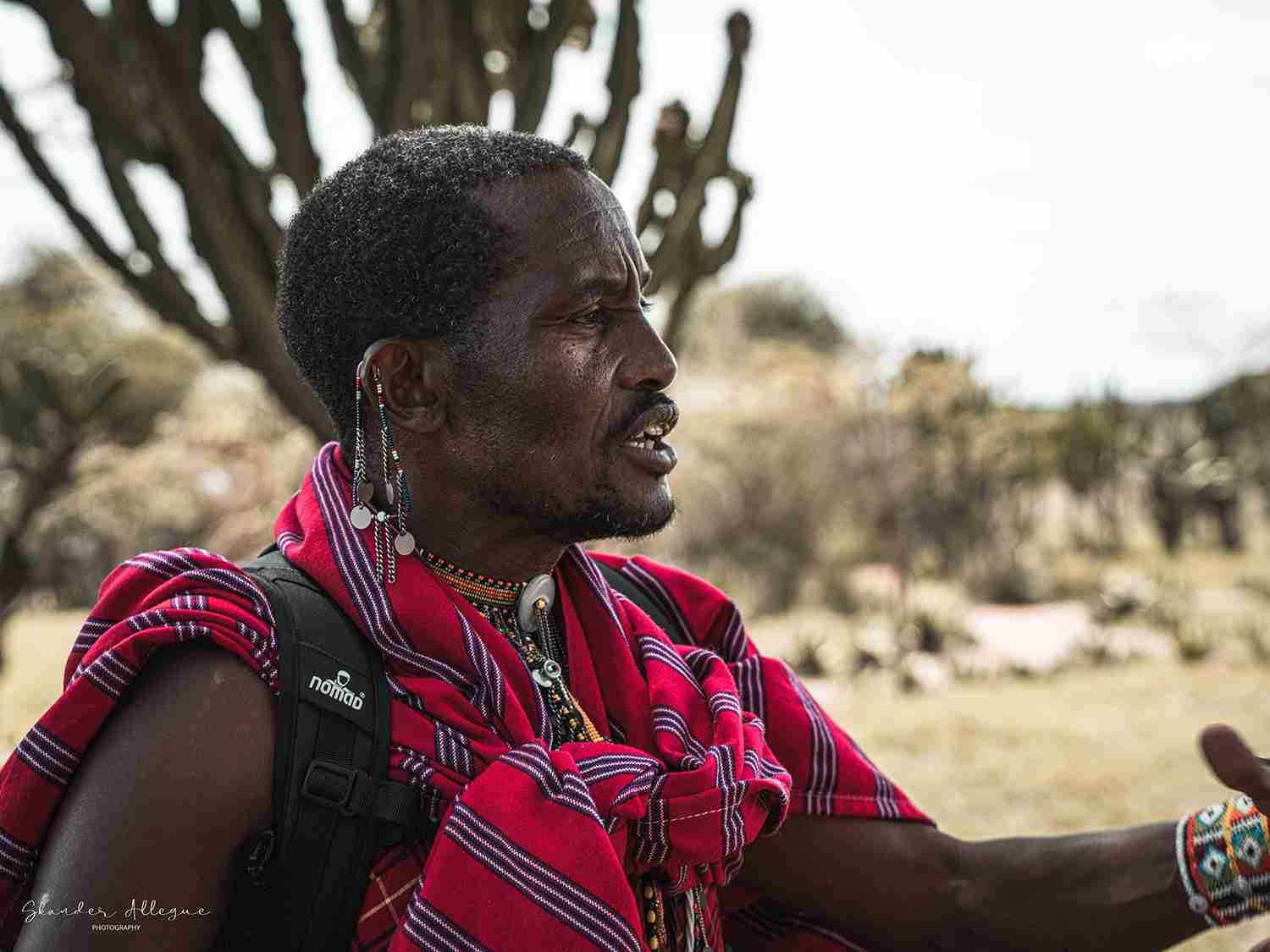
You cannot understand the Mara without the Maasai. Semi-nomadic pastoralists famed for their red shukas, their beadwork and their striking jumping dance, the Maasai have shared these grasslands with wildlife for centuries — herding cattle alongside lions and elephants. Today many lease their land to form the private conservancies that ring the reserve, earning a living from protecting wildlife rather than fencing it out. Meeting them, and hearing how deeply their identity is bound to this land, adds a whole dimension to a safari that no game drive alone can give you.
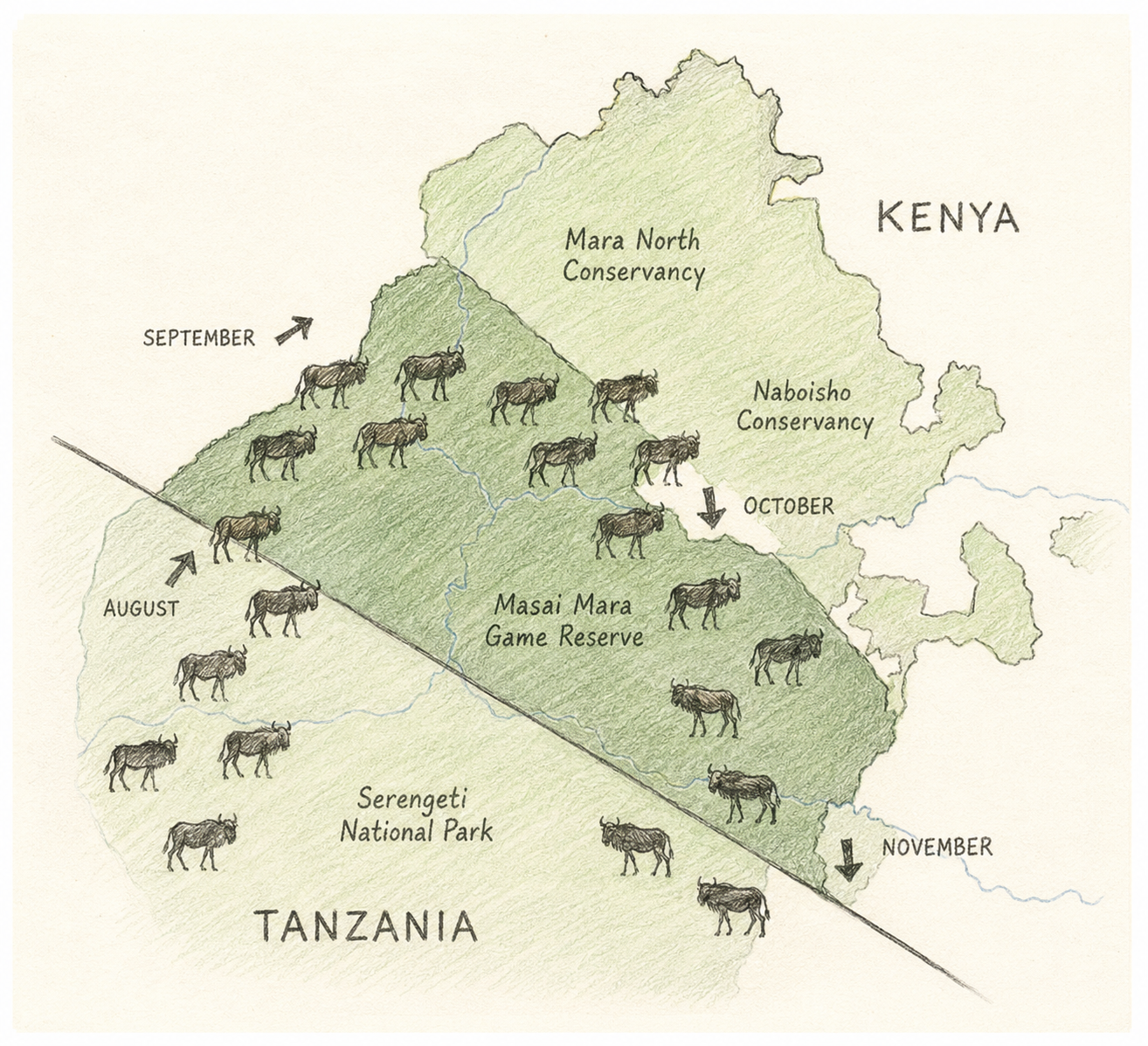
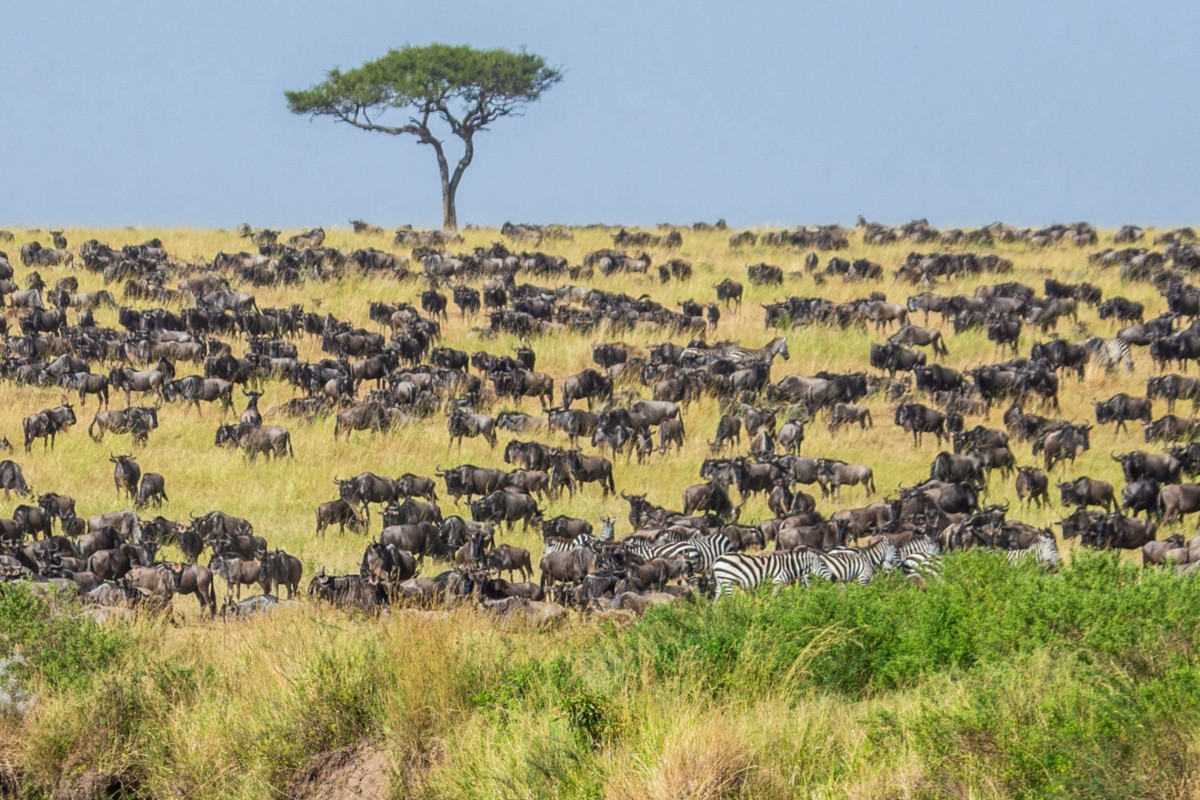
This is usually the deciding factor. From roughly July to October, the Maasai Mara is the place for the dramatic river crossings — herds plunging across the Mara River while crocodiles and lions wait. From December to March, the action shifts south: the southern Serengeti becomes a vast nursery as the wildebeest give birth on the fertile plains, with up to 8,000 calves born on a single day at the peak.
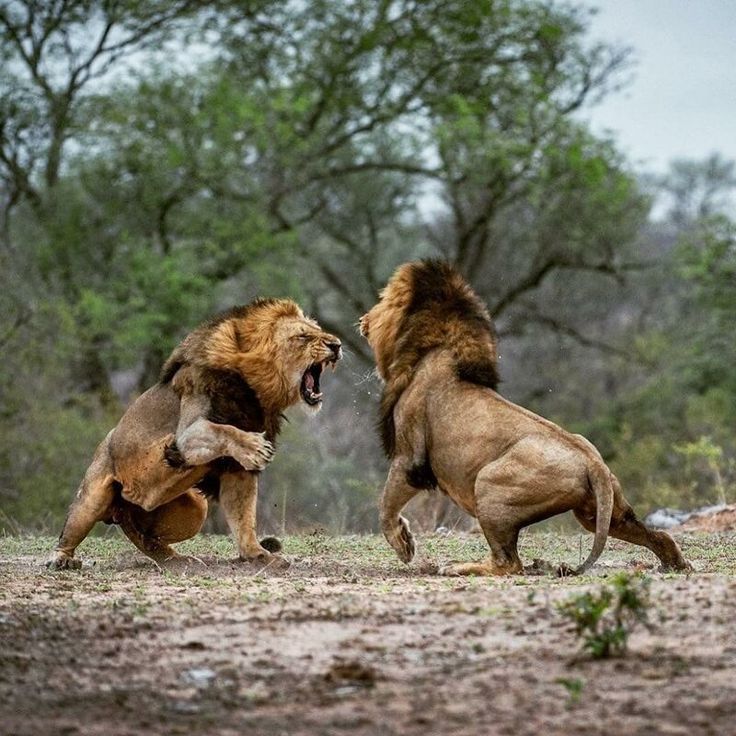
The migration steals the headlines, but these plains are extraordinary year-round. Both hold the Big Five and some of the highest predator densities in Africa — lion prides so famous they’ve starred in decades of documentaries, cheetahs surveying the grass from termite mounds, leopards in the riverine forest, hippos crowding the pools. Add more than 470 recorded bird species, from lilac-breasted rollers to enormous ground hornbills, and even a “quiet” day here would be the trip of a lifetime almost anywhere else.
The Mara’s lions are among the most-filmed animals on earth. The reserve was the setting for the BBC’s long-running Big Cat Diary and countless wildlife films, and some of its prides (most famous one is called the Marsh pride) have been followed by researchers — and cameras — across several generations.
Both are magnificent, but the Mara is far more compact — roughly 1,500 square kilometres against the Serengeti’s 10,000 — which concentrates the wildlife and often means more frequent, varied sightings in a day. It also has one of the highest lion densities anywhere in Africa. The Serengeti, by contrast, rewards you with sheer scale and a sense of limitless space.
Here’s the honest bit few brochures mention: in peak season, popular crossing points on the Mara River can draw a crowd of vehicles. The insider’s solution is the ring of private conservancies bordering the reserve — Mara North, Naboisho, Olare Motorogi and others. They share exactly the same wildlife and the same ecosystem, but strictly limit vehicle numbers and allow what the main reserve can’t: off-road driving to a sighting, night drives, and walking safaris. Stay in a conservancy and you get the Mara’s wildlife with a fraction of the traffic — a trick worth its weight in gold.
Whichever you choose, the single biggest factor in a great day’s game viewing isn’t the map — it’s the person beside you. A guide who knows where the herds crossed yesterday, which pride is denning, and how the light will fall is what turns a good safari into an unforgettable one. That’s the part we obsess over.