Coming face to face with a wild gorilla is thrilling and, let’s be honest, a little daunting. Knowing what to expect turns the nerves into pure wonder.
The idea of standing near a 200-kilo silverback — the strongest primate on earth — deep in an African rainforest gives most people butterflies. The reassuring truth is that these treks are remarkably safe when you follow a few simple guidelines. Here’s what to expect on a trek in Rwanda, Uganda or Congo — and, just as importantly, who you’re really about to meet.
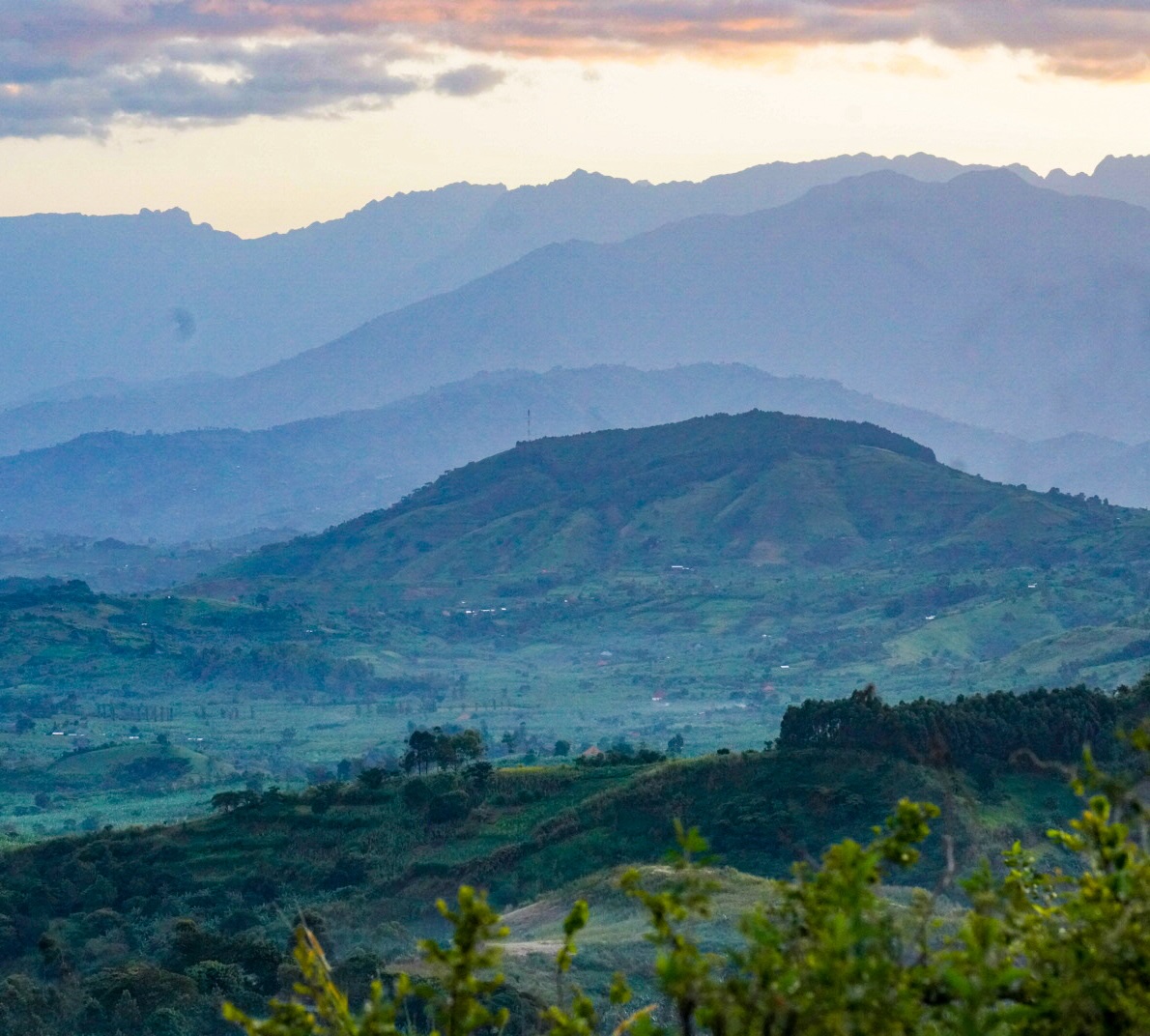
Mountain gorillas (Gorilla beringei beringei) are a subspecies of the eastern gorilla, and they exist in just two places on earth: the mist-wrapped Virunga volcanoes shared by Rwanda, Uganda and the DRC, and Uganda’s Bwindi Impenetrable Forest. Fewer than 1,100 remain in the wild with more than half in Uganda side — yet they are the only great ape whose numbers are actually rising, a rare and hard-won conservation success.
They share around 98% of our DNA, and it shows. A dominant silverback — named for the saddle of silvery hair he grows from about the age of twelve — can stand 1.7 metres tall, weigh up to 200kg, and lead a tight-knit family of anywhere from a handful to more than thirty. For all that power, they are astonishingly gentle: most of the day is spent foraging up to 30kg of leaves, shoots and wild celery, punctuated by long, sociable siestas.
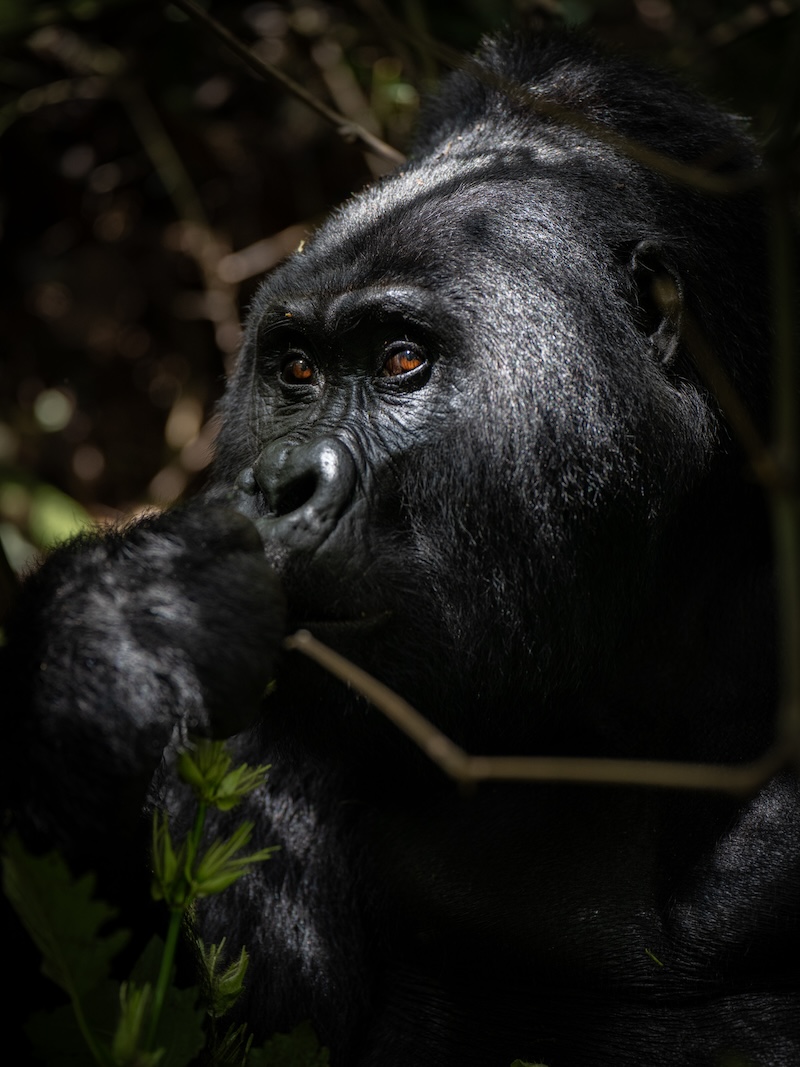
Spend an hour with a gorilla family and the word that keeps surfacing is familiar. They use tools — a stick to test the depth of a stream, a trunk of vegetation as a bridge or ladder. They laugh during play, mourn their dead, and possess distinct personalities that rangers know intimately: the shy one, the show-off, the doting mother. They communicate with more than twenty-five different vocalisations, from contented rumbles to sharp alarm barks. Koko, a western lowland gorilla, famously learned to use over a thousand signs of modified sign language. Looking into a silverback’s calm, appraising eyes, the 98% we share suddenly feels less like a statistic and more like a conversation.
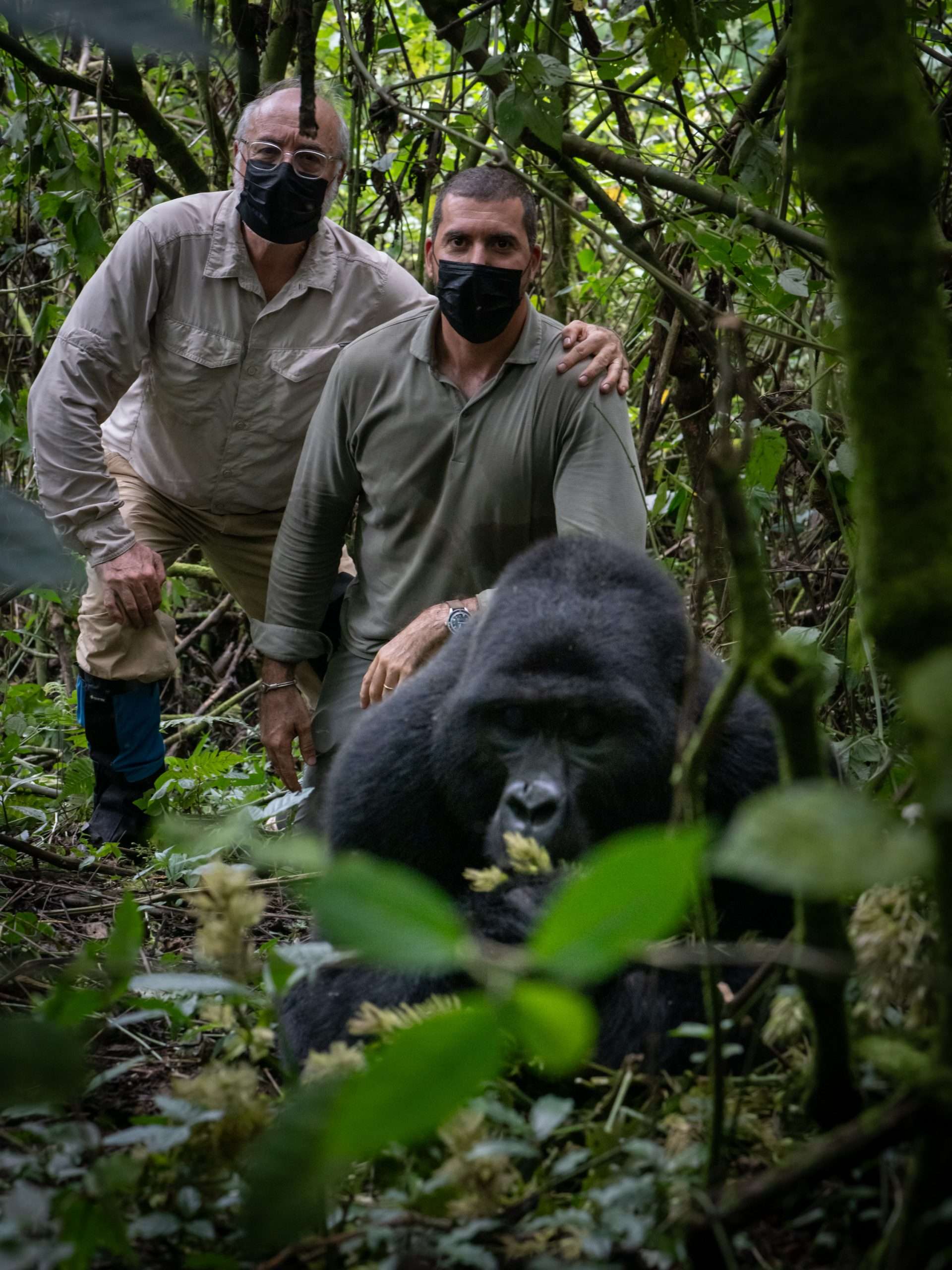
A gorilla group is a study in quiet order. The silverback is its heart — protector, arbiter and decision-maker, choosing where the family feeds, rests and sleeps. Around him are several adult females and their young, along with younger “blackback” males still years from their silver saddle. You’ll likely watch infants tumble and play-wrestle, mothers grooming with infinite patience, and the whole group melting into an afternoon nap in day-nests of folded greenery. It feels less like observing wildlife and more like being briefly, silently welcomed into someone’s living room.
Before you set foot in the forest, rangers walk you through exactly how to behave around the gorillas. This isn’t a formality — it keeps the animals calm and unstressed, and keeps you safe. Groups are capped at eight trekkers, your time with the family is limited to a single, precious hour, and a team of trackers will already have located them that morning. The walk in can be short or take several hours over steep, muddy terrain, so a reasonable level of fitness helps.
The rule is to stay at least seven metres from the gorillas. It limits the risk of passing on human illnesses — we share enough DNA that a common cold can be dangerous to them — and lowers their stress. If a curious youngster wanders toward you, simply ease back slowly. And avoid direct eye contact with a silverback: a hard stare reads as a challenge, so if you catch his gaze, calmly look away and down.
Sudden movements, raised voices and camera flashes can all startle a gorilla. Turn the flash off before you arrive, keep your voice to a whisper, and move gently. Never drift off alone — a tight group is far less likely to be singled out. Follow all this, and what remains is one of the most profound encounters in the natural world.
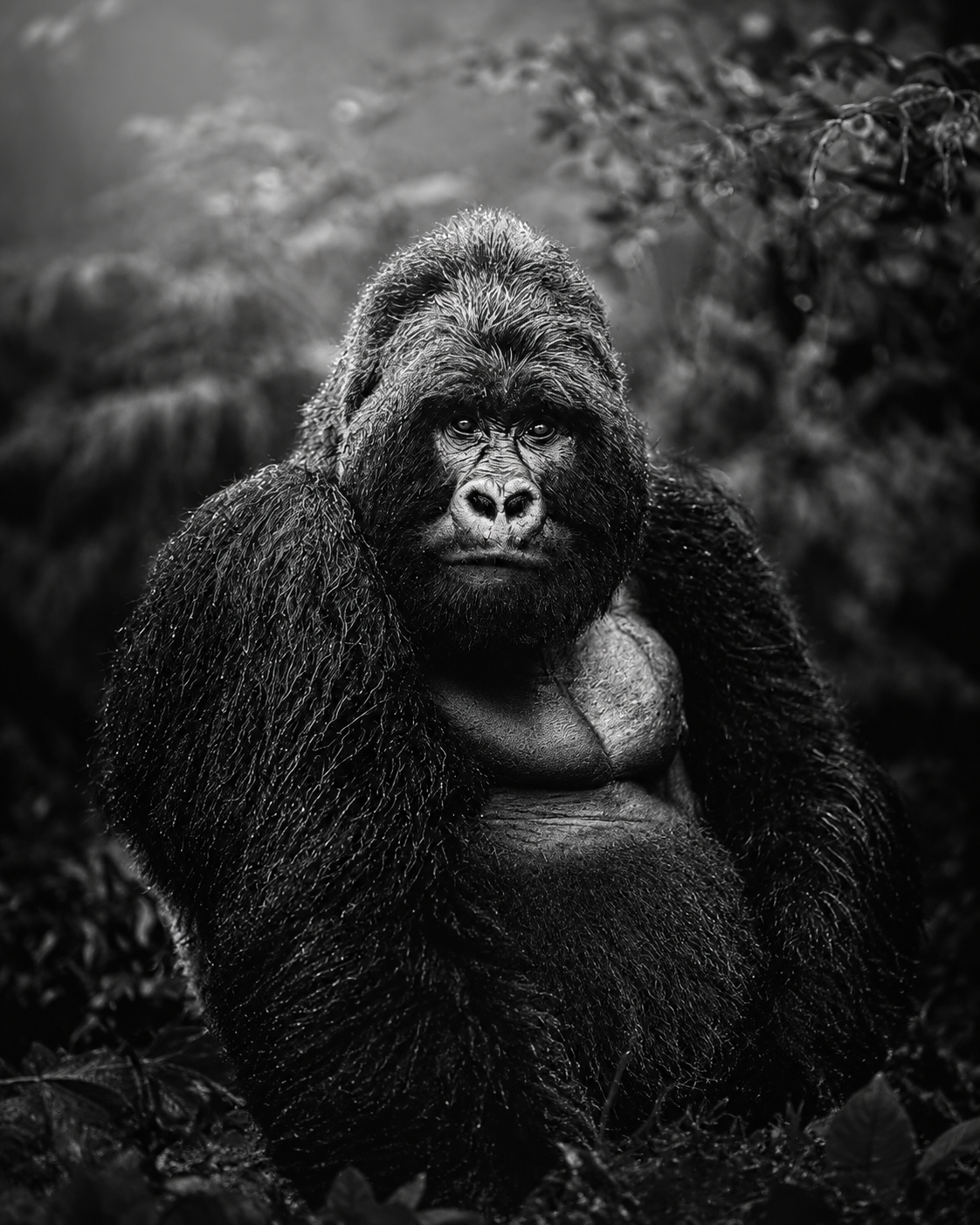
Learning to read gorilla body language turns fear into fascination. That famous chest-beat is rarely aggression — it’s communication, a resonant broadcast that carries through dense forest to announce presence and status. A soft, rhythmic “cough grunt” is actually the sound of a relaxed, contented group going about its day. Crouching low and averting your eyes is a gesture of respect they understand instinctively.
A genuine charge is vanishingly rare. What you’re far more likely to witness is a bluff — a sudden burst of noise and movement that tests whether you’ll hold your nerve, then ends as abruptly as it began. Hold it, stay low, and the moment dissolves into one of the most extraordinary hours of your life.
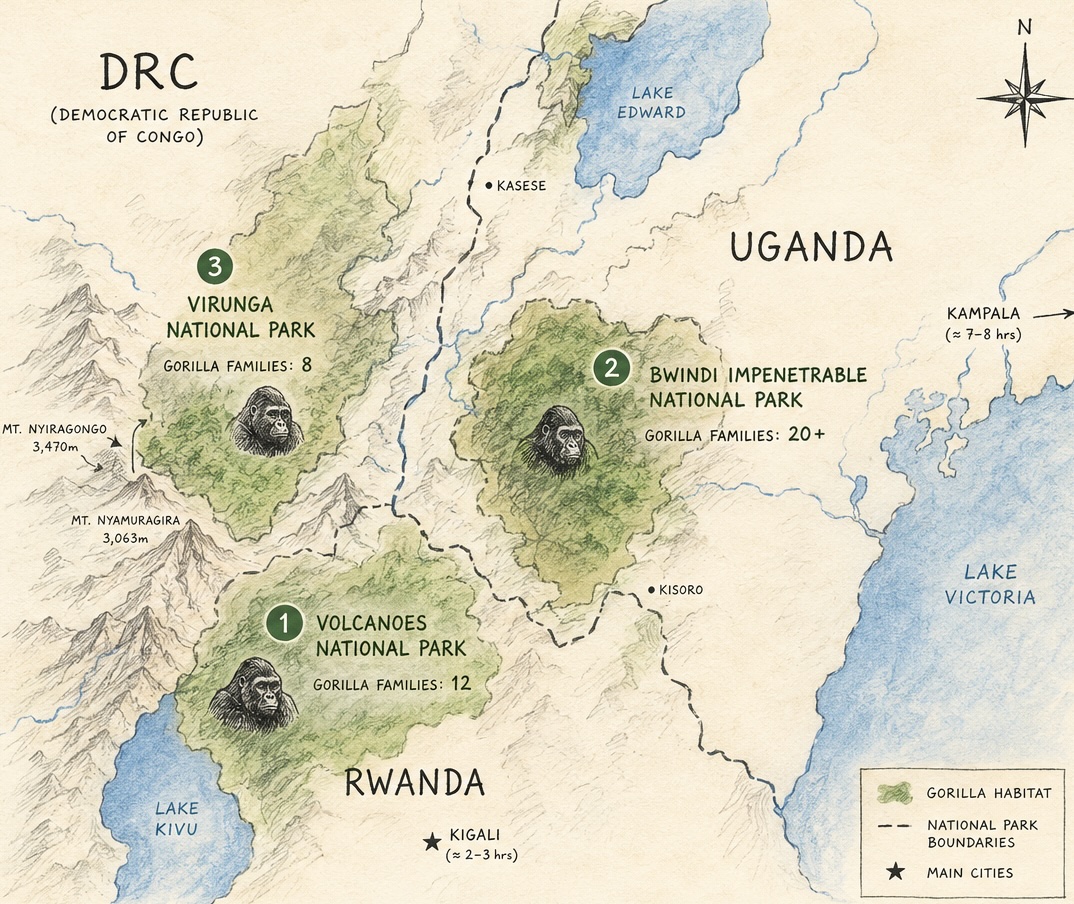
All three offer world-class trekking, and the right choice depends on your priorities. Rwanda’s Volcanoes National Park (1) is the smoothest and most luxurious option — barely two to three hours from Kigali, with shorter treks and premium permits, set against the volcanoes where Dian Fossey worked. Uganda’s Bwindi (2) offers more gorilla families and better-value permits, in exchange for steeper, more demanding hikes through genuinely wild forest. The DRC’s Virunga National Park (3) is the most adventurous and affordable, though it depends on the region’s stability. Tell us how you like to travel, and we’ll match you to the right forest.
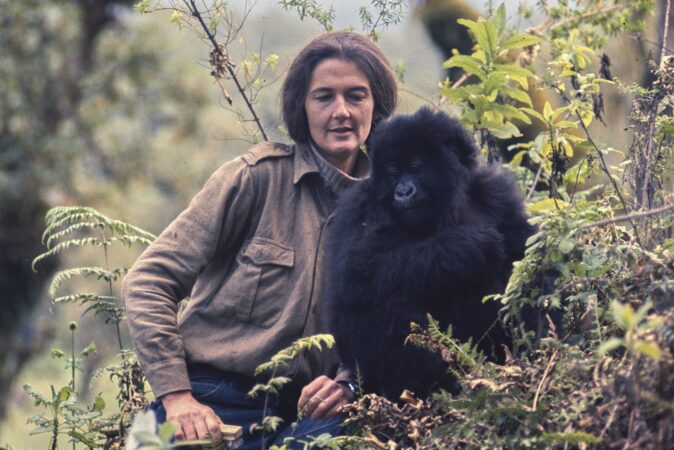
None of this would exist without Dian Fossey. From her Karisoke research camp high in the Rwandan volcanoes, she spent eighteen years studying and defending the mountain gorillas, a story immortalised in Gorillas in the Mist. When she began, the subspecies was sliding toward extinction. Her uncompromising anti-poaching work — which ultimately cost her life — combined with the carefully managed tourism that followed, turned the tide so completely that mountain gorillas became the only great ape on earth whose population is now growing. Every trekker today walks in her footsteps.
Every gorilla permit channels significant funding straight into conservation and the communities living around the forest. That model has quietly turned gorilla tourism into one of Africa’s great success stories: once the animals became worth more alive and protected than not, their numbers began to recover. In other words, the hour you spend with a family is part of what keeps them here — tourism doing exactly what it should.