Ever wondered why a safari can cost over $1,000 per person, per night? It’s a fair question, and we’d rather answer it openly than let the number sit there looking intimidating.
Often at 70% of the total cost – Safari rates are almost always all-inclusive: your room, every meal, drinks, and usually your game drives too. The camps and lodges sit in remote, hard-to-reach places where everything — fresh food, water, power, staff, supplies — has to be brought in and run off-grid, often on solar. You’re not just paying for a bed; you’re paying for a fully catered home in the middle of the wilderness.
The price breakdown on the right chart is for illustration purpose, for a shared room in the Maasai Mara reserve., which is subject to change based on seasonality, vehicle, accomodation, etc.
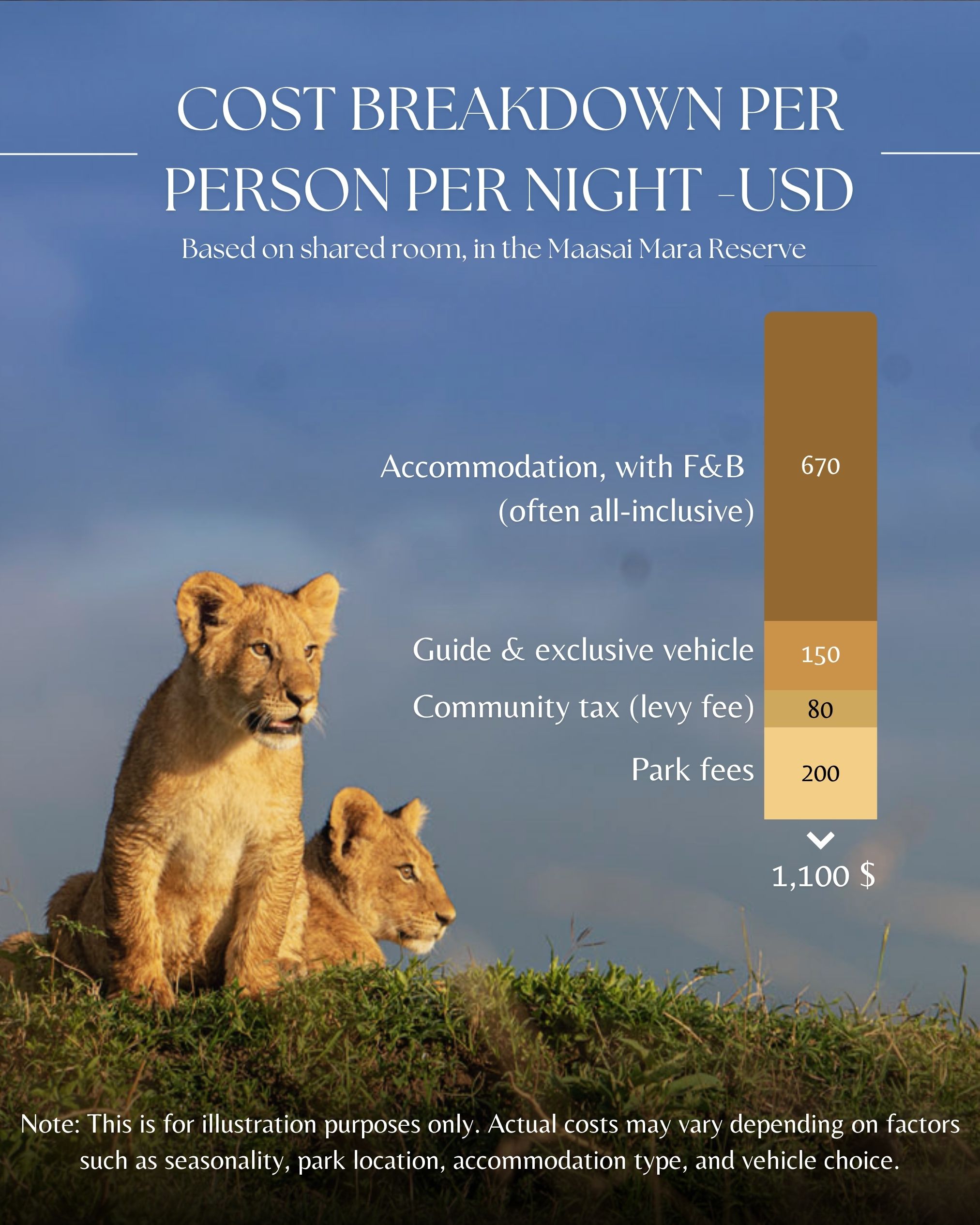
Around 15%-20% of the total cost – This is the heart of a great safari. A dedicated expert and a 4×4 built for the terrain mean the day bends around you: you go where the wildlife is, linger at a sighting as long as you like, and benefit from years of local knowledge — many guides train for years and know their patch animal by animal. A brilliant guide is the single biggest difference between a good trip and an unforgettable one.
A handful of levers move the number. Season is the biggest: peak migration months (July to October) and the festive holidays command premium rates, while the green season offers the same wilderness for dramatically less. Exclusivity matters too — a private conservancy with a handful of guests costs more than a busy park; a private vehicle more than a shared one. And remoteness adds up: a fly-in camp deep in untouched wilderness will always cost more than a lodge near the gate. Travel in shoulder season, share a vehicle among your own group, or mix in a night or two of simpler comfort, and a superb safari becomes far more attainable.
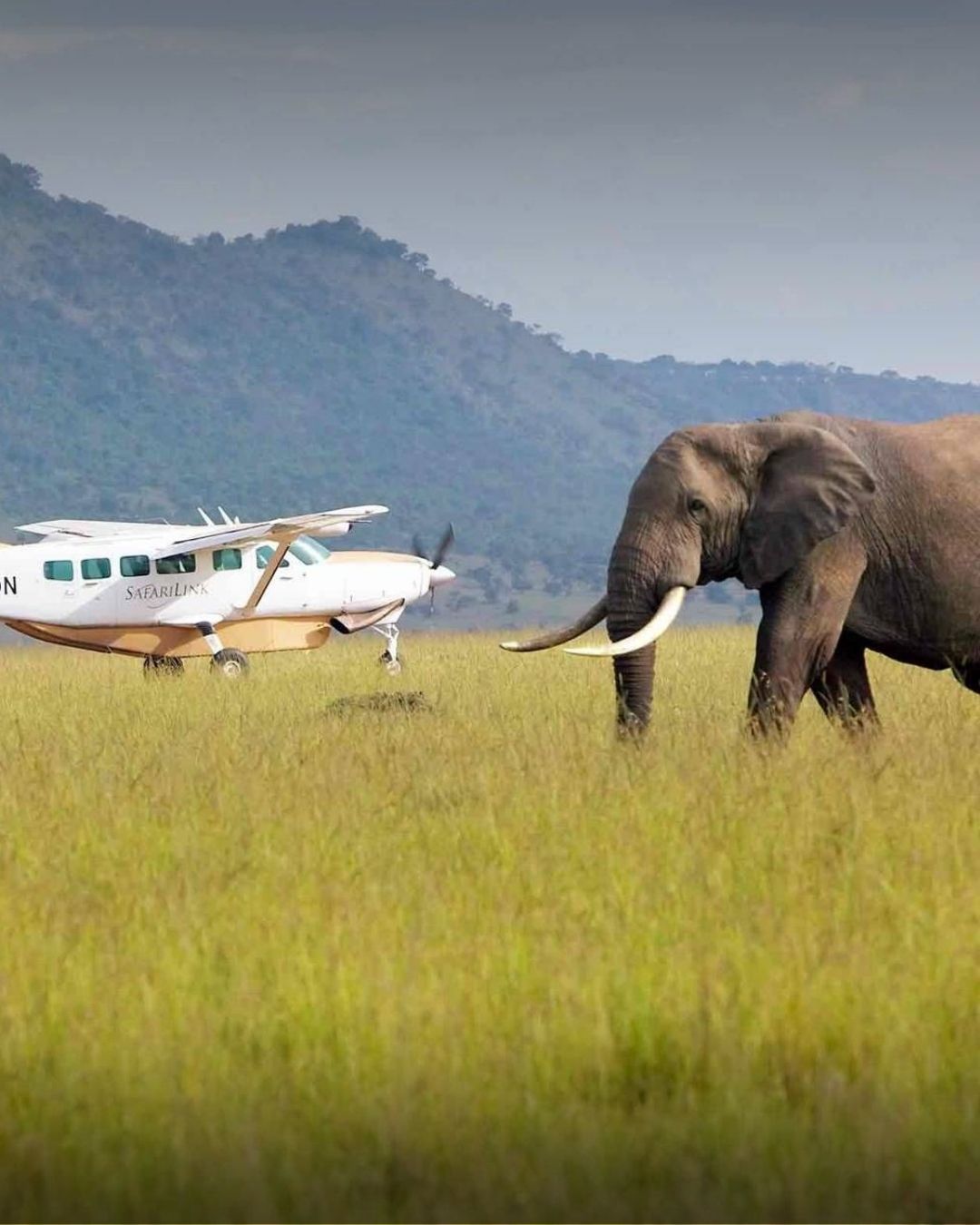
How you move between camps shapes both the cost and the character of a trip. Light-aircraft transfers are quicker and turn the journey itself into a spectacle — the plains, rivers and herds unrolling beneath you — but they carry a premium. Road transfers cost less and let you feel the country change kilometre by kilometre, meeting it at ground level. Neither is “better”; it’s a trade-off between time, budget and the kind of experience you’re after, and we’ll help you strike the right balance.
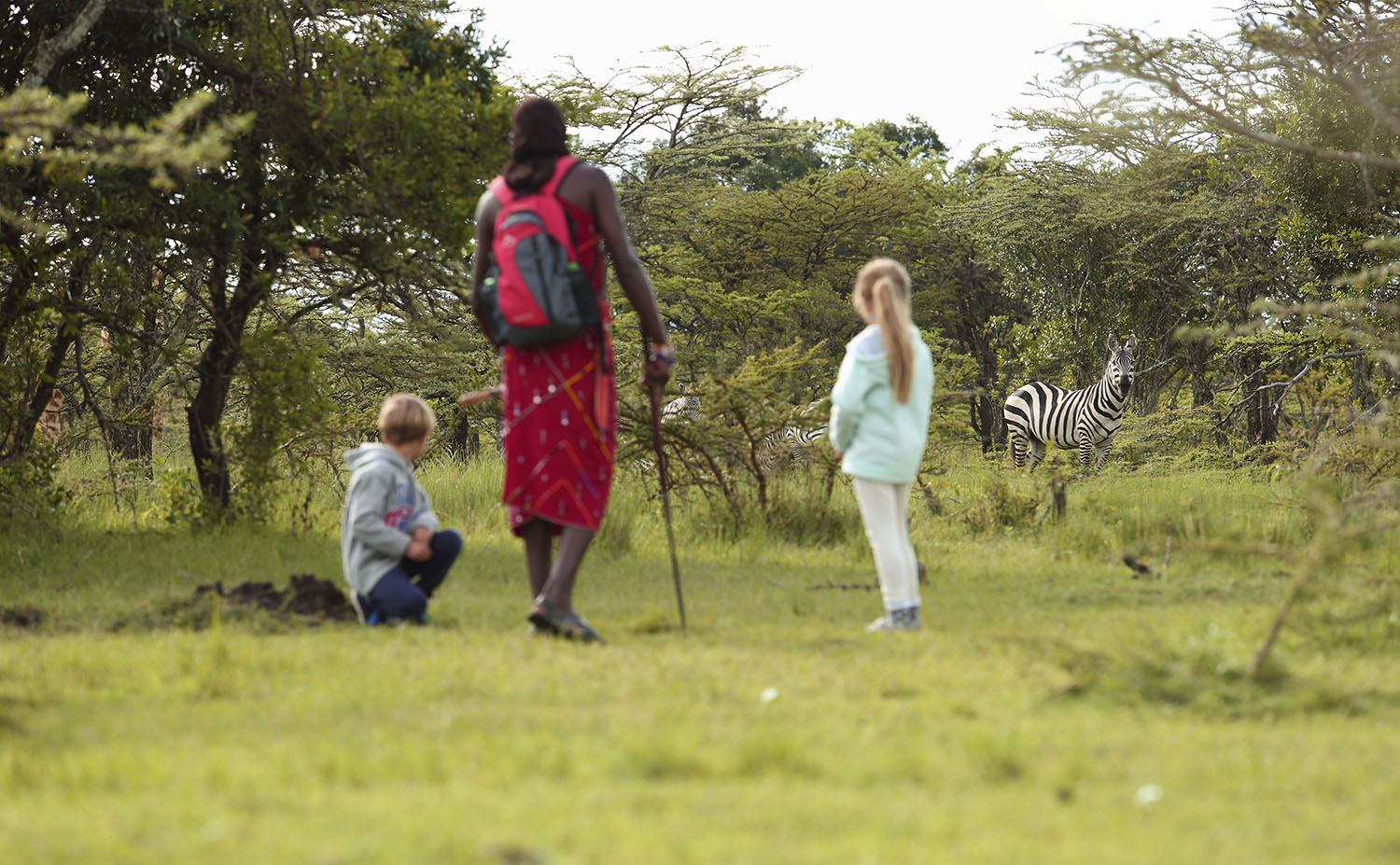
With about 10%-15% of the total cost – A meaningful slice of every safari goes straight into conservation and the people who live alongside the wildlife. Park fees fund anti-poaching and habitat protection. On the private conservancies that border the Maasai Mara, tourism revenue is shared directly with the Maasai families who lease their land for wildlife rather than farming — a model that has protected huge areas of habitat and given local communities a real stake in keeping it wild.
The cheapest safari is rarely the best one. There’s a world of difference between a shared minibus jostling for position in a crowded park and a private vehicle in a low-density conservancy where you might not see another car all morning. Value, to us, is exclusivity, world-class guiding, and money that does good on the ground — not the lowest sticker price. (And do leave a little room to tip your guide and spotter well; they earn it.)
For most people a safari is a once-in-a-lifetime experience, and the price reflects something genuinely rare: deep wilderness, real luxury run entirely off-grid, world-class guiding, and a direct hand in protecting one of the planet’s last great wildernesses. It’s also more flexible than the headline figures suggest — tell us your budget honestly and we’ll build the richest possible trip around it, without pretending champagne tastes come at beer prices, or that a wonderful safari has to cost the earth.