Here’s the good news for anyone trying to pick dates: Kenya is a year-round safari dream. There’s no truly bad time to go — only different flavours of good.
The early months bring lush landscapes, dramatic skies and newborn wildlife, with thinner crowds and softer rates — lovely paired with the coast. May’s long rains reward you with emerald scenery and real value, and by June the northern reserves like Laikipia and Samburu come into their own with excellent sightings.
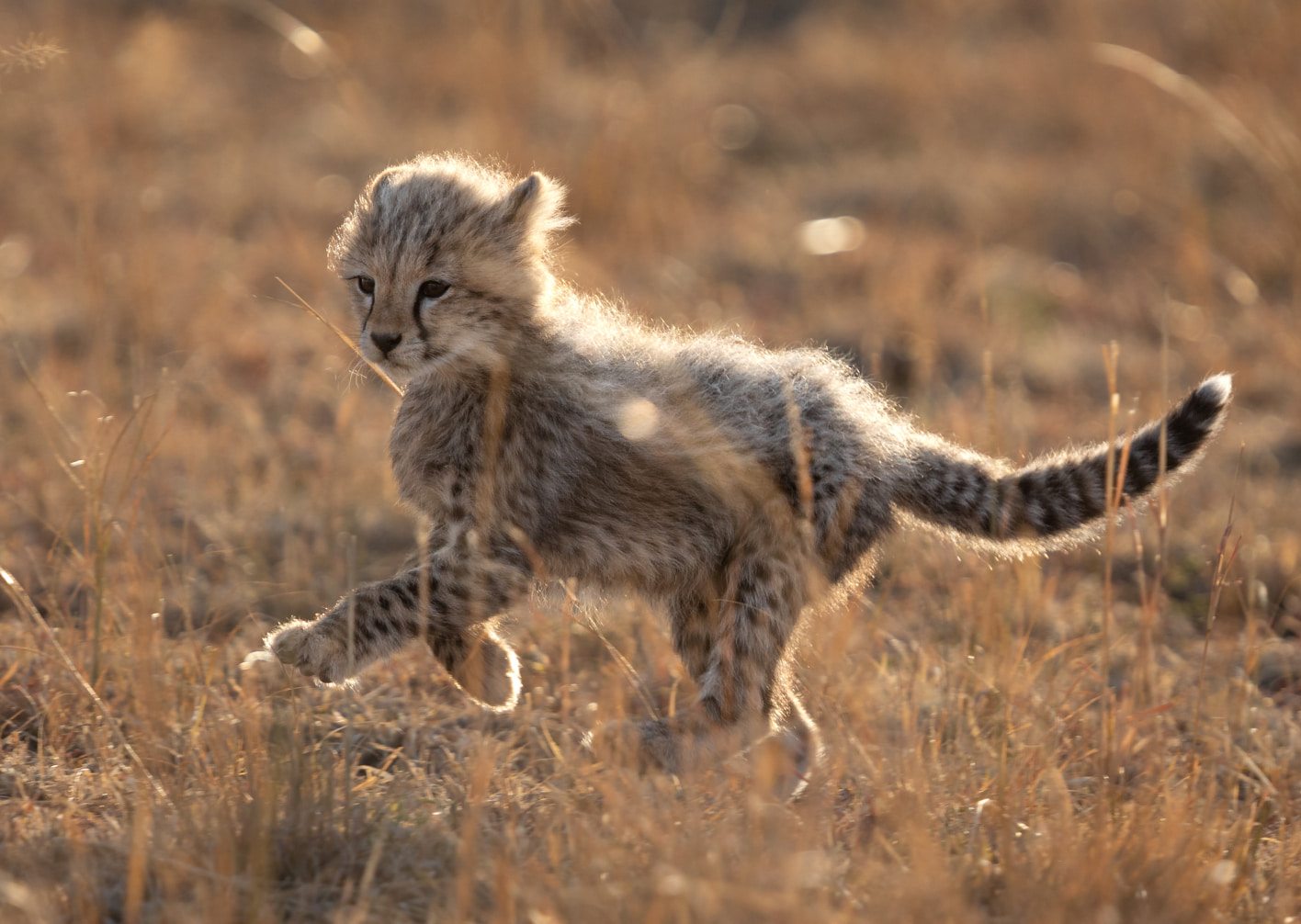
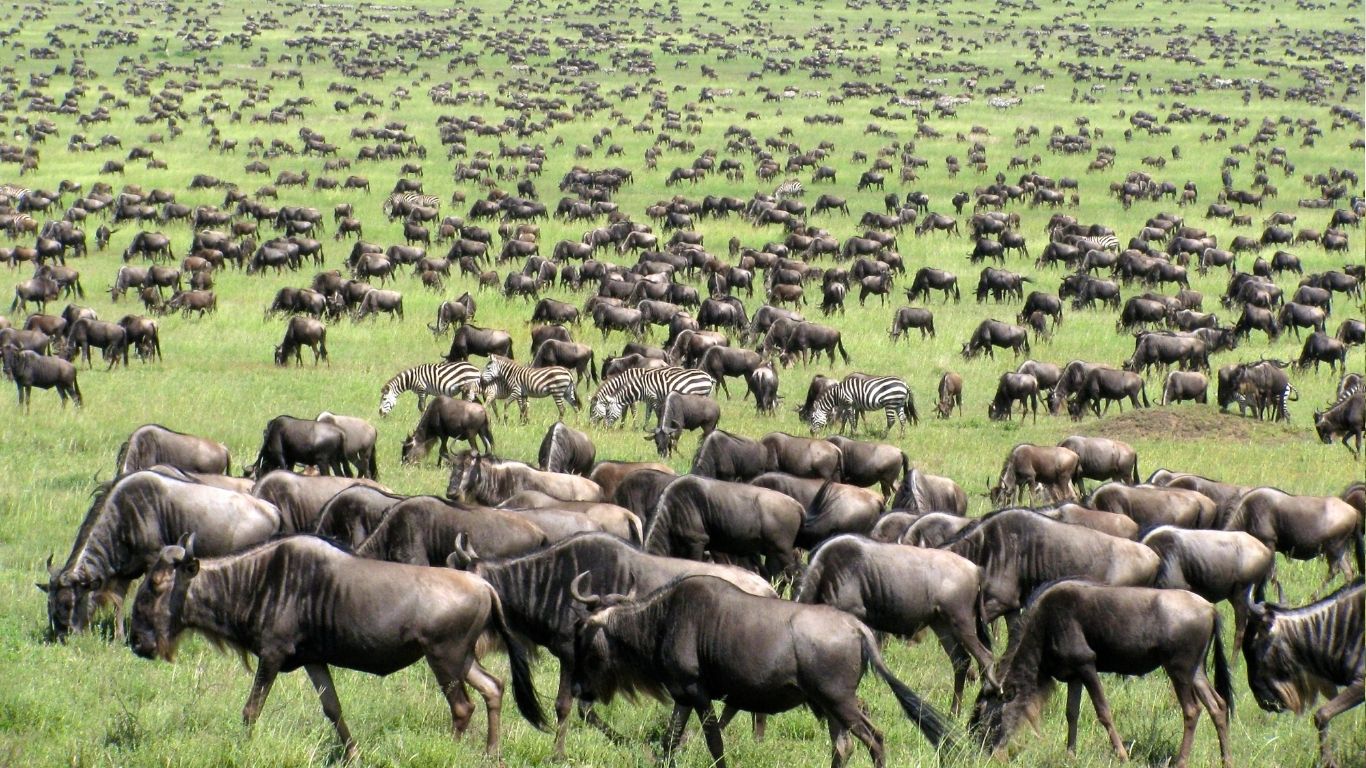
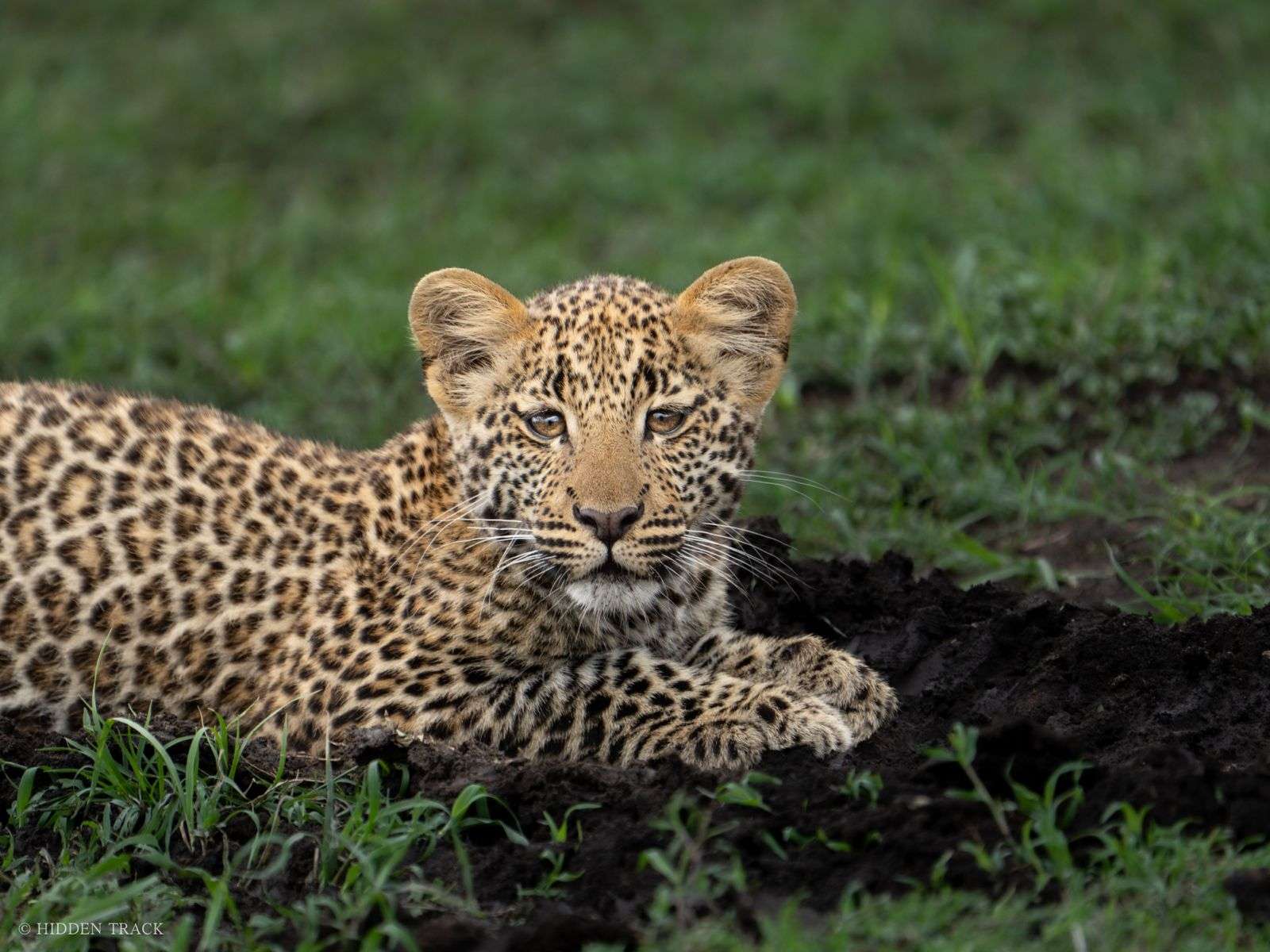
The wildebeest steal the spotlight, but every season has its own headline act. February brings the calving on the southern plains; November to April is the peak of birding, when millions of migrant species arrive from Europe and Asia in dazzling breeding plumage; the green low season offers solitude, newborns and value; and the dry months deliver crisp air and the clearest views of Kilimanjaro. Whatever window you choose, something extraordinary is happening.
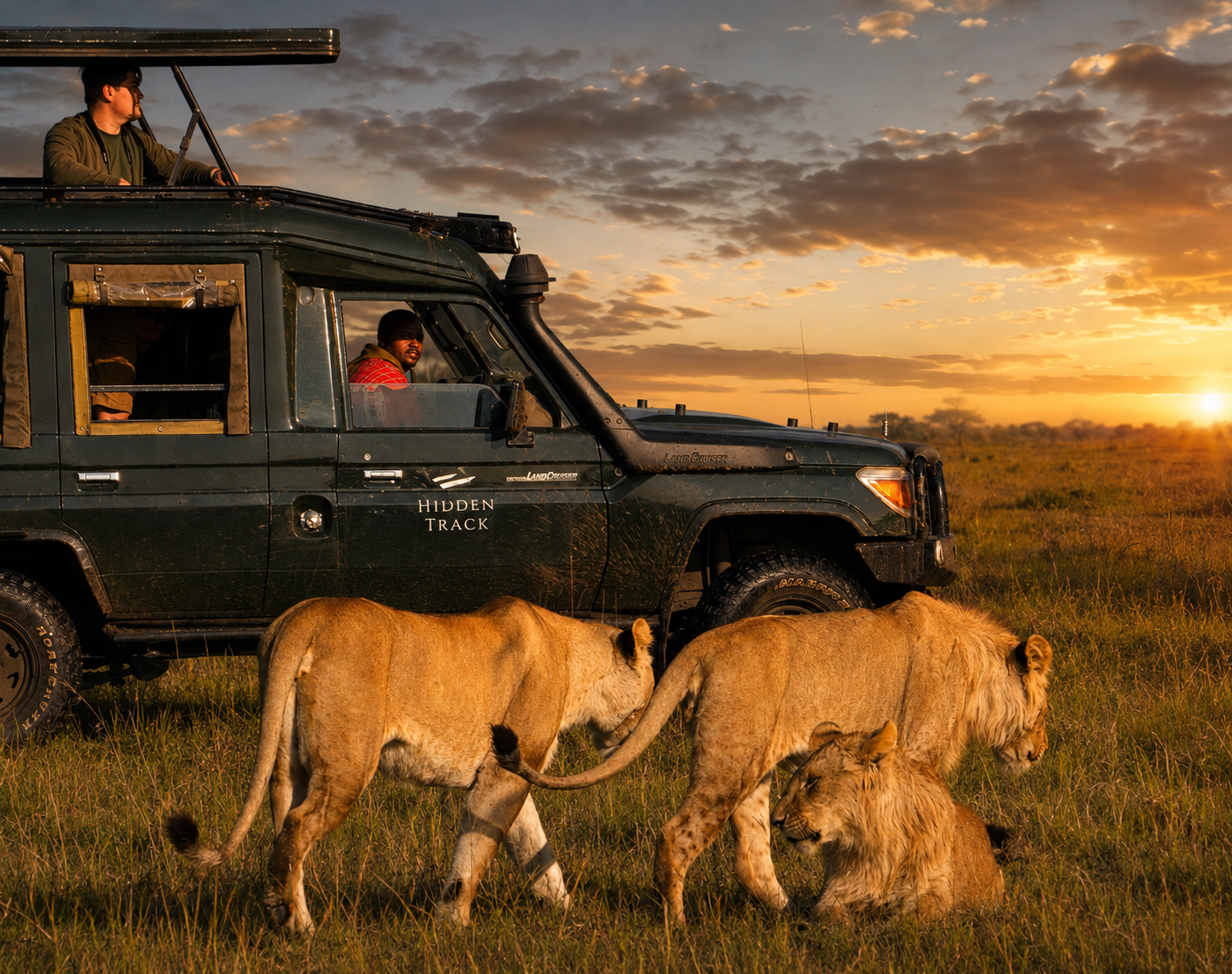
This is the headline act. The Great Migration reaches the Maasai Mara, with the possibility of thundering river crossings and constant predator action. July and August are busiest, so book early. September and October are the sweet spot: the migration is still very much in the Mara, but the peak-season crush has eased.
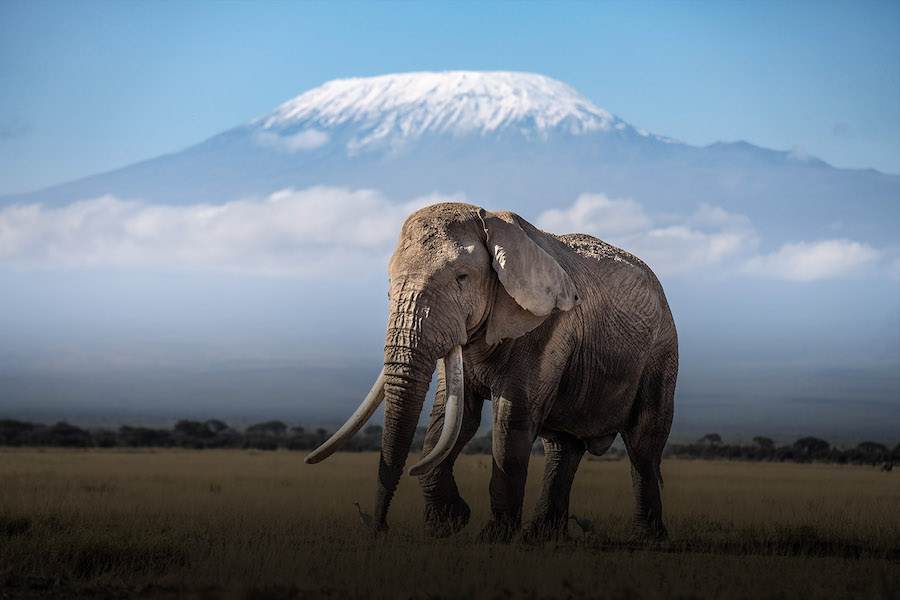
Timing also depends on where you’re headed. The Maasai Mara peaks from July to October with the migration. Amboseli’s elephants and its famous views of Kilimanjaro are at their best in the dry months — June to October and January to February. The northern deserts around Samburu reward visitors almost year-round, with species you won’t find further south. And the Indian Ocean coast is sunniest and driest from December to March. A well-planned trip simply pairs the right region with the right month.
Brief afternoon showers refresh the savannah, the plains turn green again, and wildlife is abundant. The festive season brings a special atmosphere to camp, and the year ends on a high before the crowds return.
If we had to whisper one tip, it would be this: June and November are quietly the best-value months of all. They sit just outside the peak, so the landscapes are green, the camps are calm, the rates are gentler — and the wildlife hasn’t read the calendar. You get much of the magic with far fewer vehicles, which is exactly the kind of trade-off seasoned safari-goers plan their trips around.
It comes down to what you want most. Chasing the drama of the river crossings? Aim for July to October. After green landscapes, fewer vehicles and better value? January to March or May to June are glorious. Dreaming of newborn animals and the calving season? February on the southern plains. Tell us which of these makes your heart beat faster, and we’ll build your trip around exactly the right window.